Choosing Between Breeder Records and Independent Registration for Your Purebred Designer Dog
Understanding the Two Paths for Purebred Designer Dog Registration
When you own a purebred designer dog, having proper documentation matters. It proves lineage, supports health history, and can simplify ownership transfers. But not every dog comes with complete breeder records. Some owners receive detailed paperwork from the breeder, while others find themselves with a dog whose papers are missing or incomplete. This is where the choice between relying on breeder documentation and pursuing independent dog registration becomes important.
Both approaches have their place. The right option depends on your situation, the information you already have, and what you need the papers for. Understanding the differences helps you make a confident decision.
What Breeder Records Typically Include
Breeder records are the original documents created when a litter is born. They usually contain the litter information, including the sire and dam details, the birth date of the puppies, and individual puppy identification such as microchip numbers or temporary markings. Good breeders maintain health records from the first veterinary checks, vaccination dates, and any notes on temperament or physical traits.
These records come directly from the person who bred the litter. They are the closest thing to a birth certificate for a dog. For purebred designer dogs, breeder records often include pedigree charts that show several generations of ancestors. This information is valuable for confirming that the dog meets breed standards and for future breeding plans.
However, breeder records are only as reliable as the breeder who keeps them. Some breeders are meticulous, others less so. Records can be lost over time, especially if the breeder stops working with dogs or if ownership changes hands multiple times. The transfer of ownership from breeder to new owner may not include all the original paperwork. In such cases, the documents you receive might be incomplete or hard to verify.
Independent Dog Registration and Its Role
Independent registration services exist to fill the gaps when breeder records are unavailable, lost, or insufficient. These services allow owners to document their dogs using whatever information they have, combined with physical evidence such as photographs, microchip data, and veterinary records. The goal is to create a credible paper trail that supports the dog's identity and lineage.

For purebred designer dog registration, independent registries often accept applications from owners who can provide proof of the dog's parentage, even if the original breeder is no longer involved. They may also help owners obtain registration papers for dogs that never had them in the first place. This can be a lifeline for rescue dogs, rehomed pets, or dogs imported from countries where record-keeping is less formal.
Independent registration does not replace breeder records, but it can complement them. When you have partial information, an independent registry can help you piece together a complete profile. The key is that the registry sets its own standards for what evidence it accepts. Some are strict, others more flexible. You need to choose a registry whose requirements match what you can provide.
When Breeder Records Are the Better Choice
If you are buying a puppy directly from a reputable breeder, breeder records are usually sufficient. They are the original source of information, and they carry the breeder's authority. For show dogs, breeding stock, or dogs that will be used in a breeding program, original breeder records are often required by kennel clubs and breed registries. They provide the most complete picture of the dog's genetic background.
Breeder records are also preferable when the breeder is known and trusted within the breed community. A well-established breeder will have a system for tracking litters, maintaining health records, and issuing certificates of registration. In these cases, the effort of independent registration is unnecessary.
However, even the best breeder records have limits. They only cover the period until the puppy leaves the breeder. After that, health updates, new microchip numbers, and ownership changes are not recorded unless the owner keeps them. Over the dog's lifetime, the original records become less complete unless they are supplemented.
When Independent Registration Makes Sense
Independent registration becomes valuable when breeder records are missing, incomplete, or unreliable. This happens more often than people think. Breeders go out of business, move away, or lose interest in record-keeping. Dogs change homes through rehoming, rescue, or inheritance. Original papers get lost in moves or simply thrown away by previous owners who did not understand their value.
If you have a purebred designer dog but no breeder records, independent registration is your main option. It allows you to start fresh with a documented profile based on what you can verify now. This includes current photographs, veterinary records, microchip information, and any written statements from previous owners or breeders if they can be contacted.
Independent registration also helps when you need registration papers for a dog that never had formal papers. Some breeders do not provide any documentation at all. Others give only a simple bill of sale. In these situations, an independent registry fills the gap by providing a neutral, third-party document that states what is known about the dog's background and current status.

Another scenario is when you need to prove ownership or lineage for legal or insurance purposes. Independent registration papers can serve as official-looking documents that support your claims. They are not a substitute for legal ownership papers, but they add credibility to your case.
Comparing the Two Approaches Side by Side
To help you decide, here is a simple comparison of what each option offers:
- Breeder records: Original source, most detailed for early life, requires breeder cooperation, may be lost over time.
- Independent registration: Works with incomplete information, can be obtained without the breeder, covers the dog's current state, may have varying acceptance by breed clubs.
Both approaches have trade-offs. Breeder records are authoritative but fragile. Independent registration is flexible but may not carry the same weight with traditional breed organizations. The best choice depends on your specific needs and the information you have available.
Practical Steps to Take
Start by gathering whatever documentation you already have. Look for any papers from the breeder, including litter registration, health records, pedigree charts, and transfer of ownership forms. Check microchip databases and veterinary records. If you have the breeder's contact information, reach out and ask for copies of anything they might still have.
If you find that breeder records are incomplete or missing, consider independent registration as a backup. Research registries that specialize in purebred designer dogs and check what evidence they require. Some may accept sworn statements, veterinary letters, or DNA test results. The more evidence you can provide, the stronger your registration will be.
Keep in mind that independent registration is not a single global system. Each registry operates on its own rules. Some are well-regarded within specific breed communities, while others may be less recognized. Choose one that aligns with your goals, whether that is for personal satisfaction, breeding, or legal documentation.
A Substack can be a useful way to follow breed-specific news and learn about different registration options. Many breeders and registry operators share updates and tips through such platforms, helping owners stay informed about changes in documentation standards.
Maintaining Your Dog's Records Over Time
Whichever path you choose, keeping records up to date is important. Add new health records as they come in, update microchip information after ownership changes, and store everything in a safe place. Digital copies are convenient, but keep a physical backup in case of computer failure.
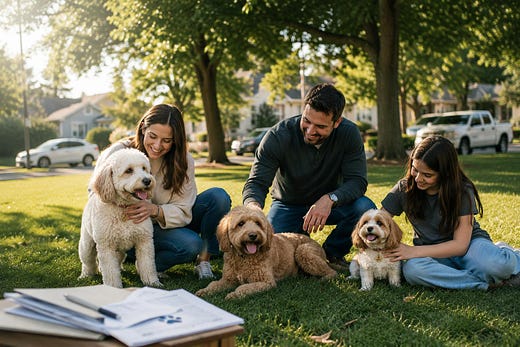
If you ever transfer ownership, provide the new owner with all the records you have, whether they came from the breeder or an independent registry. This helps the next owner continue the documentation chain and avoids the same problems you faced.
For owners who use a Substack to follow breed news, many registries now offer online portals where you can store and share your dog's records securely. This makes it easier to produce documentation on demand, whether for a vet visit, a breed show, or a sale.
The goal is to have a complete, verifiable profile for your dog. Whether you start with breeder records or build a new file through independent registration, the important thing is to have accurate information that others can trust. With a little effort, you can ensure your purebred designer dog has the documentation it deserves.